

Legal issues involving family matters often lead to questions about the different types of family lawyers and how each one applies to specific situations. Not every case follows the same path, and the category of legal representation you choose can influence how your matter is handled from beginning to resolution. Understanding the distinctions among types of family lawyers helps you move forward with more clarity and confidence.
This guide explains the most common types of family attorneys and how each one supports clients through different legal challenges.
Divorce Lawyers
Divorce lawyers manage the legal process of ending a marriage. Their work focuses on dividing property, addressing financial matters, and resolving issues related to children. They guide clients through filing requirements and help structure agreements that lead to final judgments.
When disagreements arise, divorce lawyers focus on protecting the client’s position through negotiation or court proceedings. Their role centers on completing the legal dissolution of the marriage while addressing the responsibilities that come with it.
Among the various types of family lawyers, divorce lawyers are often the most recognized because they handle the formal ending of a marital relationship.
Child Custody Lawyers
Child custody lawyers focus on parenting arrangements and the well-being of children. These matters may arise during divorce, separation, or in other family disputes involving parental rights.
Their work includes developing parenting plans, arranging visitation schedules, and presenting arguments that reflect the best interests of the child. Courts place strong emphasis on stability and safety, and custody lawyers help present these factors clearly.
These cases can become complicated when disagreements occur. Legal guidance helps create structured arrangements that prioritize the child’s needs and reduce conflict between parents.
Child Support Lawyers
Child support lawyers handle financial responsibilities related to raising a child. These cases involve determining payment amounts based on state guidelines and ensuring fair financial arrangements.
They assist clients in presenting income information, reviewing existing orders, and requesting changes when financial circumstances shift. Child support matters often continue for years, which makes adjustments necessary over time.
Adoption and Foster Care Lawyers
Adoption and foster care lawyers guide families through the legal process of expanding their household. These cases often involve background checks, home evaluations, and court approvals.
Their responsibilities include preparing legal documents, coordinating with agencies, and helping families meet all legal requirements. Some cases also involve communication between adoptive parents and biological parents.
These professionals represent another type of family lawyers focused on building families through legal adoption processes.
Domestic Violence and Restraining Order Lawyers
Some family law matters involve safety concerns, such as domestic violence or harassment. Lawyers in this area help clients seek restraining orders and legal protection through the court system.
Their work includes gathering evidence, preparing filings, and representing clients during hearings. These cases often require fast action because personal safety may be at risk.
Prenuptial and Postnuptial Agreement Lawyers
Prenuptial and postnuptial agreement lawyers assist couples in creating legal agreements that outline financial responsibilities and asset division. These agreements can help reduce uncertainty in the event of a separation.
Their work involves drafting clear terms, reviewing financial details, and helping both parties reach a fair agreement. These documents must meet legal standards to be enforceable, which makes professional guidance important. This type of legal support helps couples address future concerns in a structured and thoughtful way.
Estate and Guardianship Lawyers in Family Law
Family law can also connect with estate planning and guardianship matters. Lawyers in this area help families plan for the future, especially when children or dependents are involved.
Their work may include creating plans for asset distribution, addressing guardianship arrangements, and ensuring that children are cared for in the event of unexpected circumstances. These cases often involve long-term planning and careful legal documentation.
Take the Next Step Toward Legal Clarity
At Mummert Law Firm, we offer personalized attorney representation backed by decades of legal experience. We take the time to understand each client’s situation and guide them through the legal process with clarity and care.
Our approach focuses on practical legal strategies and strong communication. We handle family law matters with attention to detail and a clear understanding of local procedures in Lee County.
Contact us today to schedule a consultation and take the next step toward resolving your family law matter.
FAQs
What type of family lawyer do I need for a divorce with children?
A case involving divorce and children often benefits from an attorney experienced in custody and financial matters. This helps address parenting plans, support issues, and long-term considerations.
Can one family lawyer handle multiple legal issues at once?
Yes, many attorneys handle several areas within family law, including divorce, custody, support, and agreements. Working with one lawyer can help maintain consistency throughout the process.
Do I need a lawyer for a simple family agreement?
Even in straightforward situations, legal review can help prevent future disputes. An attorney can explain terms, review implications, and prepare documents that meet court requirements.
About the Author
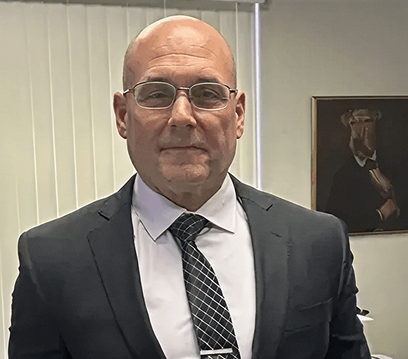
Michael Mummert
Founding Attorney, Mummert Law, P.A.
Michael Mummert has practiced law in Fort Myers, Florida for over 20 years, with experience spanning criminal defense, family law, and civil litigation. He has completed more than 50 jury trials, including a capital murder case, and is a Florida Bar member in good standing (Bar No. 10069).

Meet The Team