
Quick Summary
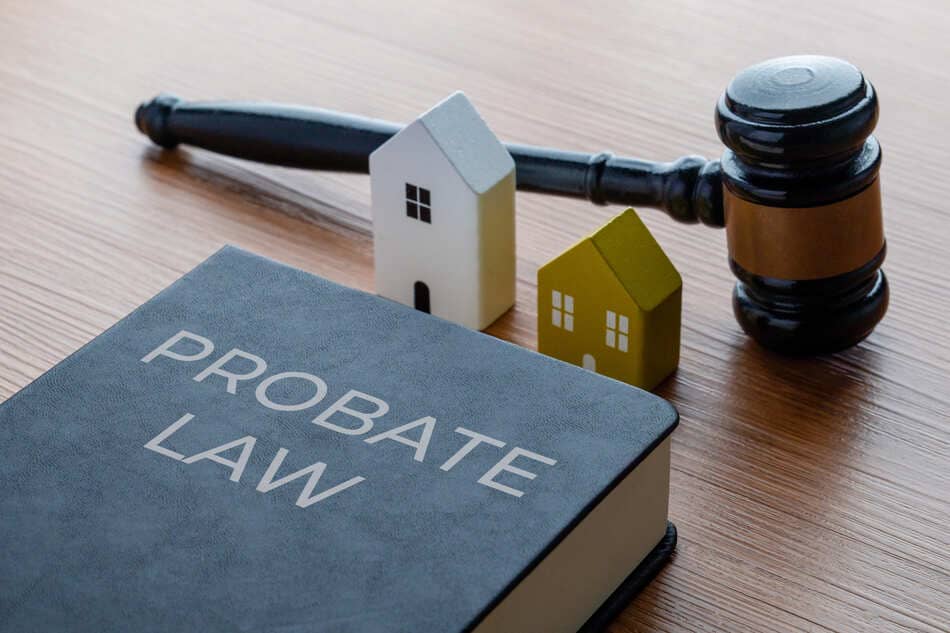
A probate attorney assists families and personal representatives with the legal process of settling a deceased person’s estate. Probate involves validating a will, identifying and valuing assets, notifying beneficiaries and creditors, paying debts and taxes, and distributing remaining property. In Florida, probate attorneys help maintain compliance with state-specific court procedures and filing requirements. Legal guidance can be particularly beneficial when estates involve significant assets, real estate, creditor claims, contested wills, or family disputes, helping reduce delays and support a more efficient estate administration process.
Losing a loved one often brings emotional challenges as well as legal and financial responsibilities. When an estate must be administered through the court system, many families find themselves asking, what is a probate attorney and whether they need legal assistance during the process.
A probate attorney guides individuals and families through the legal procedures involved in settling an estate after someone passes away. From court filings and asset identification to creditor claims and final distribution, probate can involve numerous steps that require careful attention.
Understanding the role of a probate attorney can help families make informed decisions during a difficult time.
What Is a Probate Attorney?
A probate attorney is a legal professional who assists with the administration of a deceased person’s estate. Their role is to keep the probate process aligned with applicable laws and court requirements while guiding personal representatives and beneficiaries through each stage of estate settlement.
Probate attorneys work with estates of varying sizes and complexities. Whether an estate includes a simple collection of assets or involves multiple properties, financial accounts, or family disputes, legal guidance can help personal representatives address the legal and administrative requirements involved in probate.
Their responsibilities often include preparing legal documents, advising personal representatives, reviewing estate assets, and helping resolve issues that arise during probate proceedings.
Understanding the Probate Process
Probate is the court-supervised process used to settle a person’s estate after death. The process is designed to verify that debts are addressed, assets are properly identified, and property is distributed according to a valid will or applicable state law.
While probate procedures vary by state, the process generally includes:
- Filing the necessary court documents
- Validating a will, if one exists
- Appointing a personal representative
- Identifying and valuing estate assets
- Notifying beneficiaries and creditors
- Paying debts and taxes
- Distributing remaining assets
- Closing the estate
Because probate involves legal deadlines and court oversight, mistakes or missing documentation can result in delays and additional expenses.
The Role of a Probate Attorney in Florida
A probate attorney in Florida guides families through the state’s probate laws and court procedures. Florida has specific requirements regarding estate administration, creditor notifications, court filings, and personal representative responsibilities.
Because Florida probate proceedings can vary depending on the size and complexity of the estate, legal guidance can help families understand applicable procedures and filing requirements.
A probate attorney in Florida can also assist with understanding local court requirements, preparing accurate documentation, and addressing legal issues that arise during estate settlement.
Common Challenges During Probate
Probate can become complicated when unexpected issues arise. Some of the most common challenges include:
- Family Disputes: Disagreements among beneficiaries or heirs can lead to delays and increase the complexity of estate administration.
- Missing Documents: Missing wills, financial records, or asset information can make it difficult to complete required court filings and accurately assess the estate.
- Unclear Asset Ownership: Determining whether certain assets belong to the probate estate may require additional legal review, particularly when jointly owned property or beneficiary designations are involved.
- Creditor Issues: Questions regarding outstanding debts and creditor claims can create delays if not handled properly.
Addressing these issues promptly can help personal representatives manage probate requirements and respond to issues that arise during estate administration.
When Should You Hire a Probate Attorney?
Not every estate presents the same challenges, but legal assistance may be particularly valuable in certain situations.
You may want to consider working with a probate attorney when:
- The estate includes significant assets
- Real estate is involved
- There are disputes among beneficiaries
- The will is being contested
- Multiple creditors have submitted claims
- The estate administration process seems overwhelming
- You are unfamiliar with probate procedures
Seeking guidance early can help identify potential issues before they become larger complications.
Discuss Your Probate Matter
At Mummert Law, we guide families through the probate process and estate administration with greater clarity. Whether you are serving as a personal representative or need guidance regarding probate requirements, we are here to help.
Contact us today to discuss your situation and learn how our team can assist with probate matters and estate administration in Florida.
FAQs
What is a probate attorney?
A probate attorney helps manage the legal process of settling a deceased person’s estate through the court system.
When should I hire a probate attorney in Florida?
Consider hiring a probate attorney when an estate involves probate proceedings, significant assets, real estate, or legal disputes.
What does a probate attorney do?
A probate attorney assists with court filings, asset administration, creditor claims, and estate distribution.
Is probate always required in Florida?
No, some assets may pass directly to beneficiaries and avoid probate altogether.
How long does the probate process take?
The timeline varies depending on the estate’s complexity, court requirements, and potential disputes.
About the Author

Michael Mummert
Founding Attorney, Mummert Law, P.A.
Michael Mummert has practiced law in Fort Myers, Florida for over 20 years, with experience spanning criminal defense, family law, and civil litigation. He has completed more than 50 jury trials, including a capital murder case, and is a Florida Bar member in good standing (Bar No. 10069).

Meet The Team